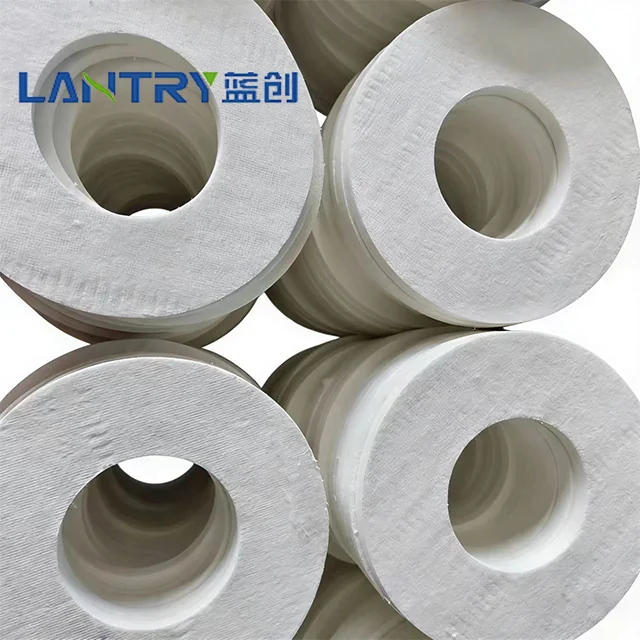
Product Information
Graphite Composite Gasket
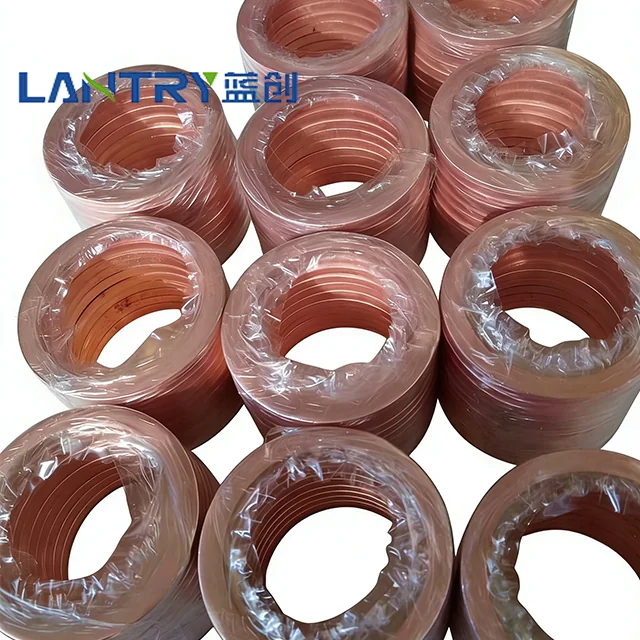
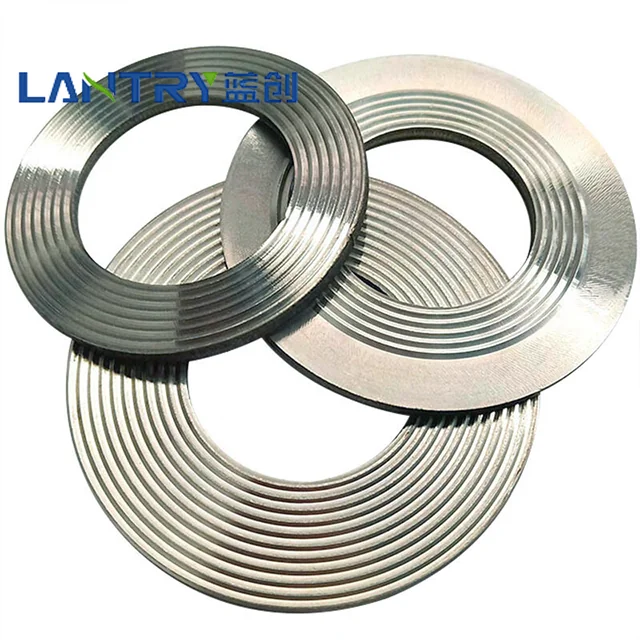
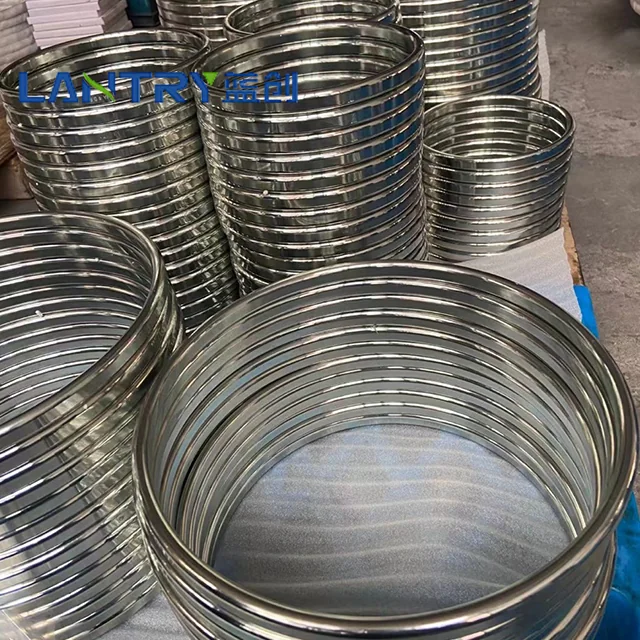
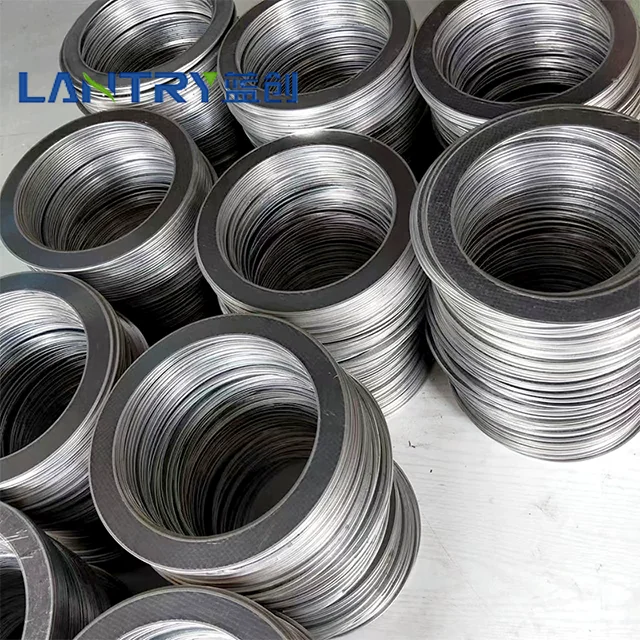
Graphite composite gaskets are pressed laminates of thin metal sheet and flexible graphite, combining metal strength with graphite sealing performance.
Structure and Materials
A reinforcement layer of 304 or 316 stainless steel or tinplate is covered with expanded graphite and formed by stamping or pressing.
Edge options include no edging, inner edging, outer edging or both. Edging is usually 304/316 stainless steel, 0.1–0.127 mm thick.
Performance
Temperature: The source gives -196°C to 700°C, with stable sealing at elevated temperatures.
Corrosion resistance: Resistance to acids, alkalis and other chemical media, particularly for chemical processing and power generation.
Compressibility and recovery: Flexible graphite accommodates slight flange deformation.
Mechanical strength: Metal reinforcement increases compression resistance for high-pressure service up to 6.4 MPa.
Applications
Pipelines, valves, pressure vessels and heat exchangers, including sealing applications in petroleum, pharmaceutical and food-processing industries.
Standards and Sizes
The source cites GB/T 29463-2023 for shell-and-tube heat-exchanger gaskets, a chloride-ion content limit of ≤50 × 10^-6 and exclusion of asbestos and other environmentally unsuitable materials.
Round, square and special shapes can be manufactured. Typical thickness is 1.5–5 mm, with thicker versions at 8–10 mm.