Product Information
Spiral Wound Gasket
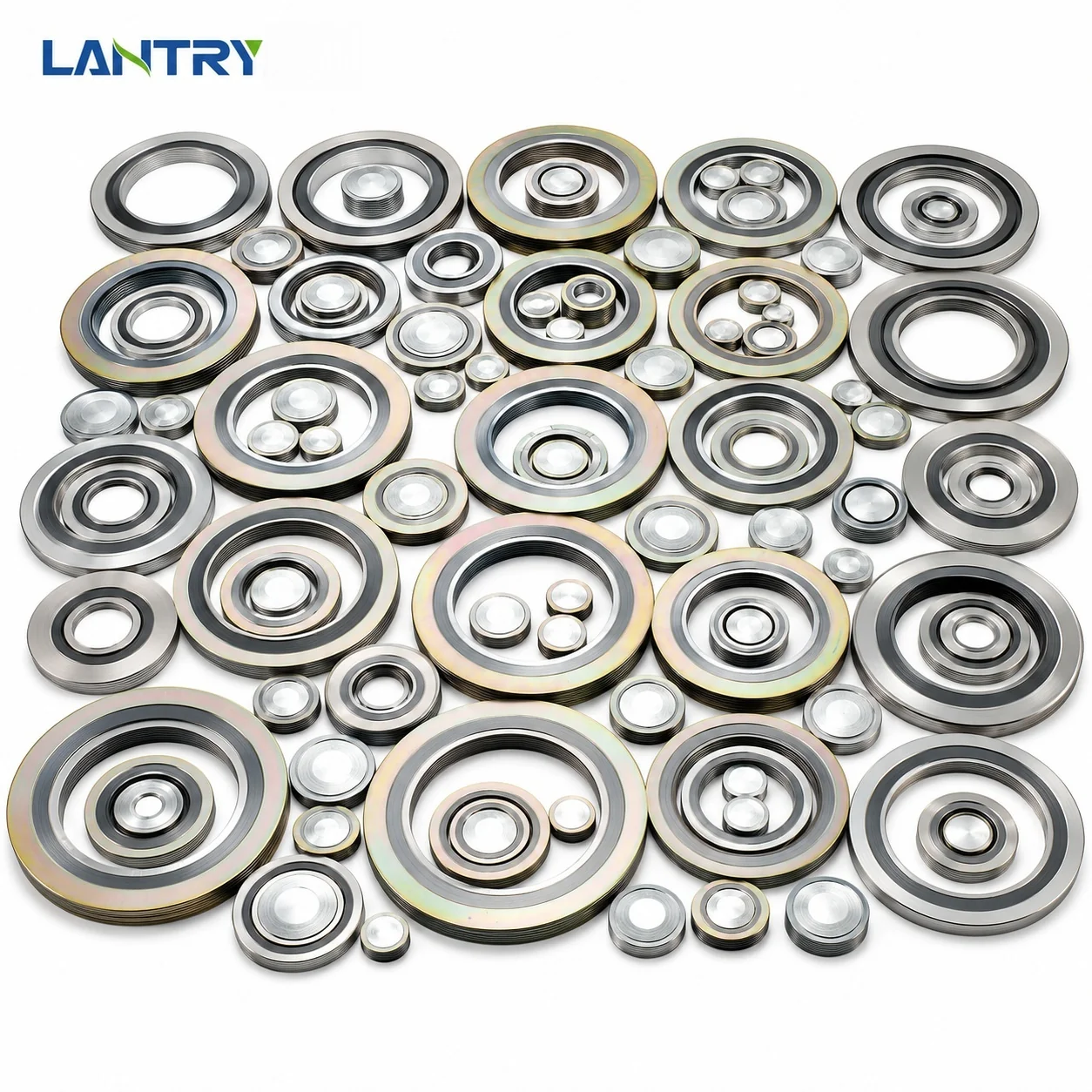
Spiral wound gaskets are high-performance sealing components used in industrial piping and valve connections. Alternating metal strips and non-metallic filler provide resistance to pressure, temperature and corrosion.
Structure and Function
Winding element: V-shaped or W-shaped metal strips, such as 304 or 316 stainless steel, are wound with graphite or PTFE filler to form a multilayer sealing structure with resilience and a self-tightening effect.
Inner ring: Provides support, protects against erosion by the medium and assists positioning.
Outer ring: Centers the gasket and prevents excessive compression, particularly in high-pressure applications.
Filler: Graphite, asbestos and other materials are selected according to chemical compatibility.
Main Types
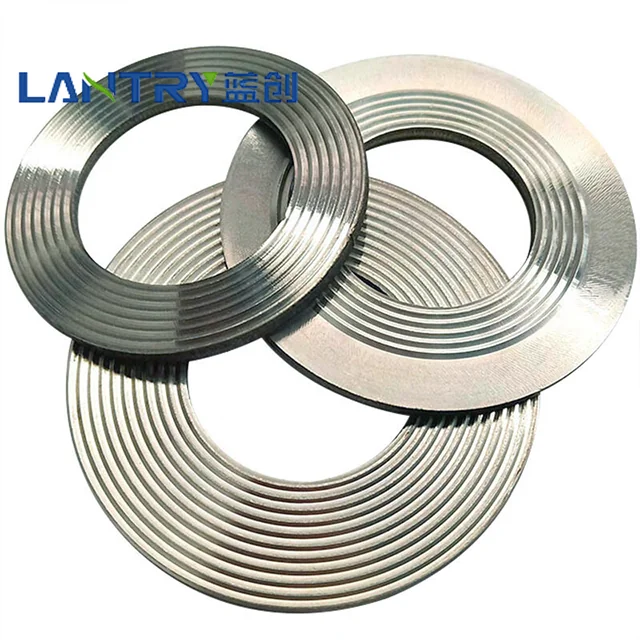
Type A (basic): Without inner or outer rings; used with tongue-and-groove flanges at low to medium pressure.
Type B (inner ring): With an inner ring; used with male-and-female flanges and highly corrosive media, including pharmaceutical and electroplating applications.
Type C (outer ring): With an outer ring; used with raised-face flanges below 6.3 MPa.
Type D (inner and outer rings): Used with raised-face flanges in high-pressure petroleum and chemical piping.
Materials and Performance
Metal strips: Commonly 304 or 316 stainless steel; the source specifies temperature resistance up to 450°C and pressure resistance up to 160 bar.
Fillers: Graphite for high temperatures, PTFE for corrosion resistance and asbestos for specific service conditions.
Benefits: Good resilience under temperature and pressure fluctuations and vibration, with relatively low demands on flange sealing-surface precision.
Applications
Petroleum, chemical processing, power generation and pharmaceutical industries.
High-pressure piping: Steam pipelines and oil and gas transmission.
Corrosive media: Acid and alkaline liquid transfer, with Type B specified in the source.
Equipment: Flanged connections on valves, heat exchangers and manholes.
Installation
Clean flange faces and remove contaminants and scratches to avoid gasket damage.
Tighten bolts gradually in a diagonal sequence for uniform loading.
Control compression on outer-ring gaskets to prevent deformation.
Selection
Select the construction and materials for the service conditions. The source recommends Type D for high-pressure steam and Type B with 316 stainless steel and graphite filler for highly corrosive service.