Product Information
Metal Jacketed Gasket
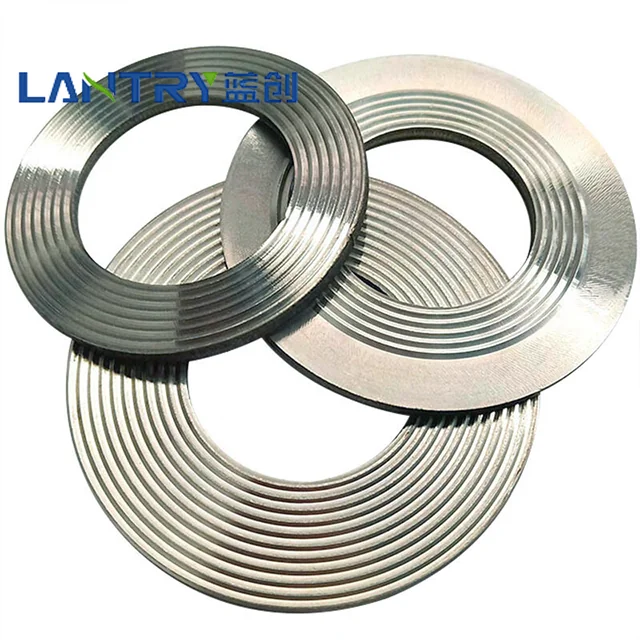
Metal jacketed gaskets combine an outer metal jacket with a non-metallic core. Thin metal sheet is cold-formed around graphite, PTFE, asbestos or other filler, combining metal strength with the sealing properties of the core.
Key Features
Temperature and pressure: The source gives -196°C to 700°C, with a maximum of 450°C in oxidizing media, and a usual operating pressure of ≤6.4 MPa.
Sealing: The filler seals under relatively low compressive loading. Recovery is limited, so flat flange faces are required.
Corrosion resistance: Metal jackets such as 304 or 316 stainless steel and fillers such as PTFE can be combined for different chemical media.
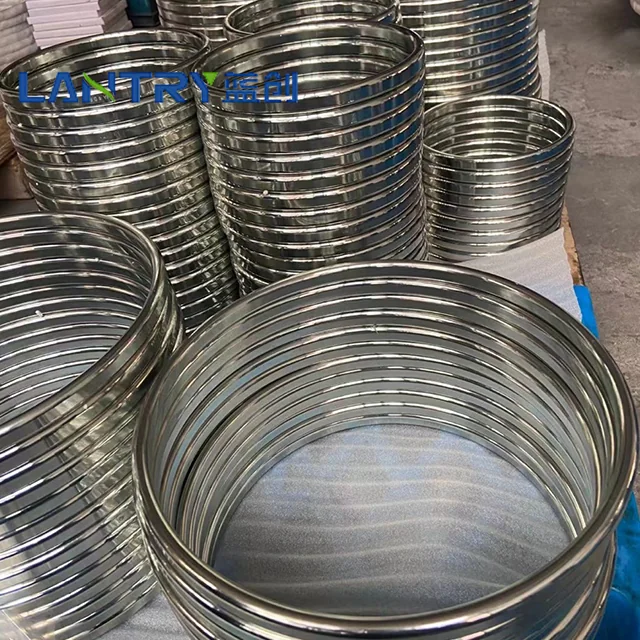
Construction: Flat Type F and corrugated Type C versions are available. Oval, square and other custom shapes can suit special equipment.
Applications
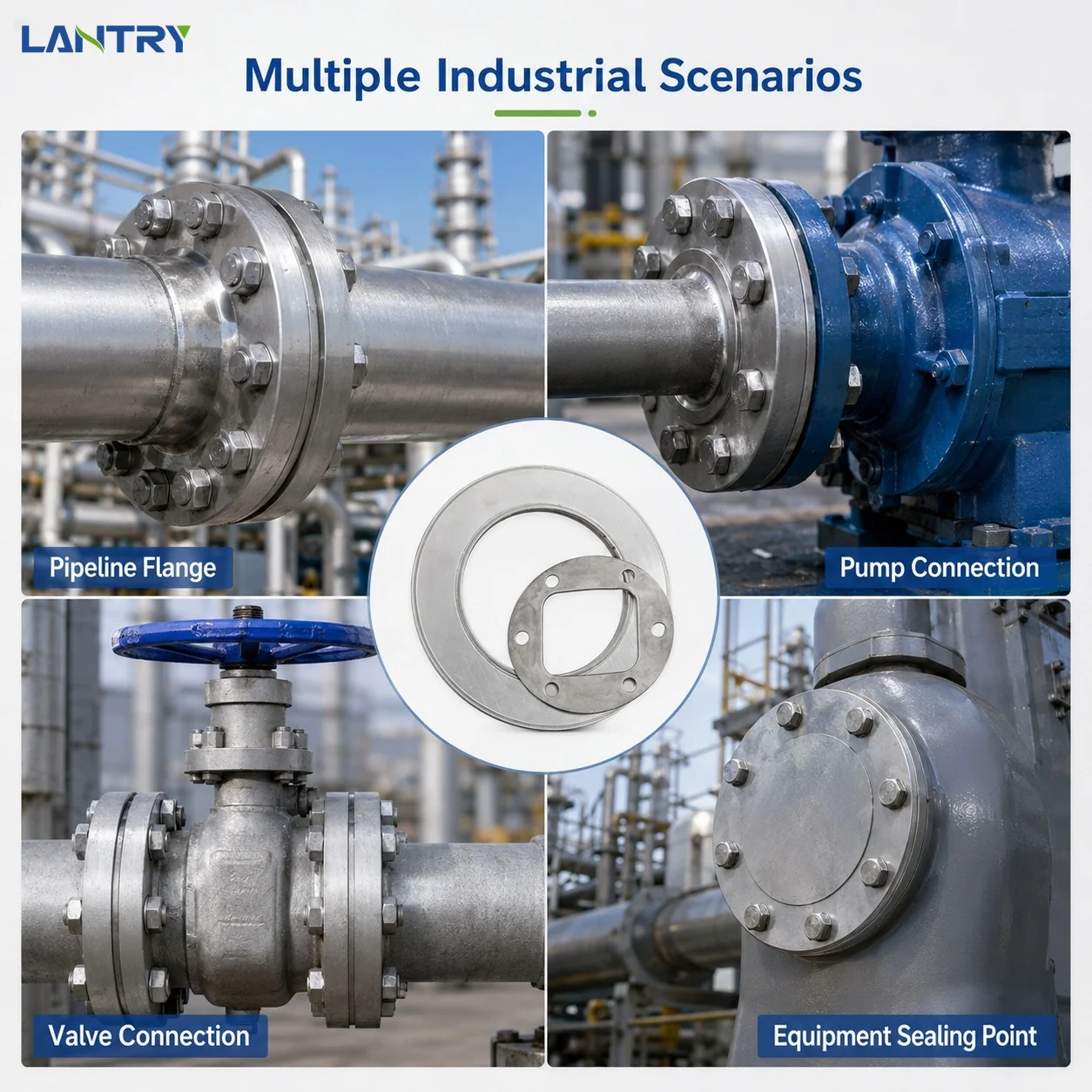
Pressure vessels: Flange seals on heat exchangers and reactors.
Piping and valves: Pump and pipe connections at low to medium pressure.
Chemical processing and power generation: Corrosive media and high-temperature steam.
Selection and Installation
Match temperature, pressure and medium compatibility. The source identifies PTFE-jacketed gaskets for corrosion resistance and asbestos gaskets for high-temperature applications.
Flange faces must be flat and bolts tightened uniformly.
Comparison with Spiral Wound Gaskets
Metal jacketed gaskets have a non-metallic core enclosed by a metal jacket. Spiral wound gaskets use alternating metal and non-metallic strips, providing multiple sealing barriers and a self-tightening effect for substantial temperature and pressure fluctuations.