Product Information
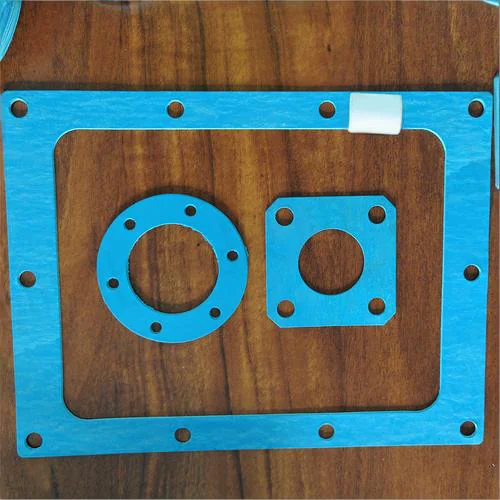
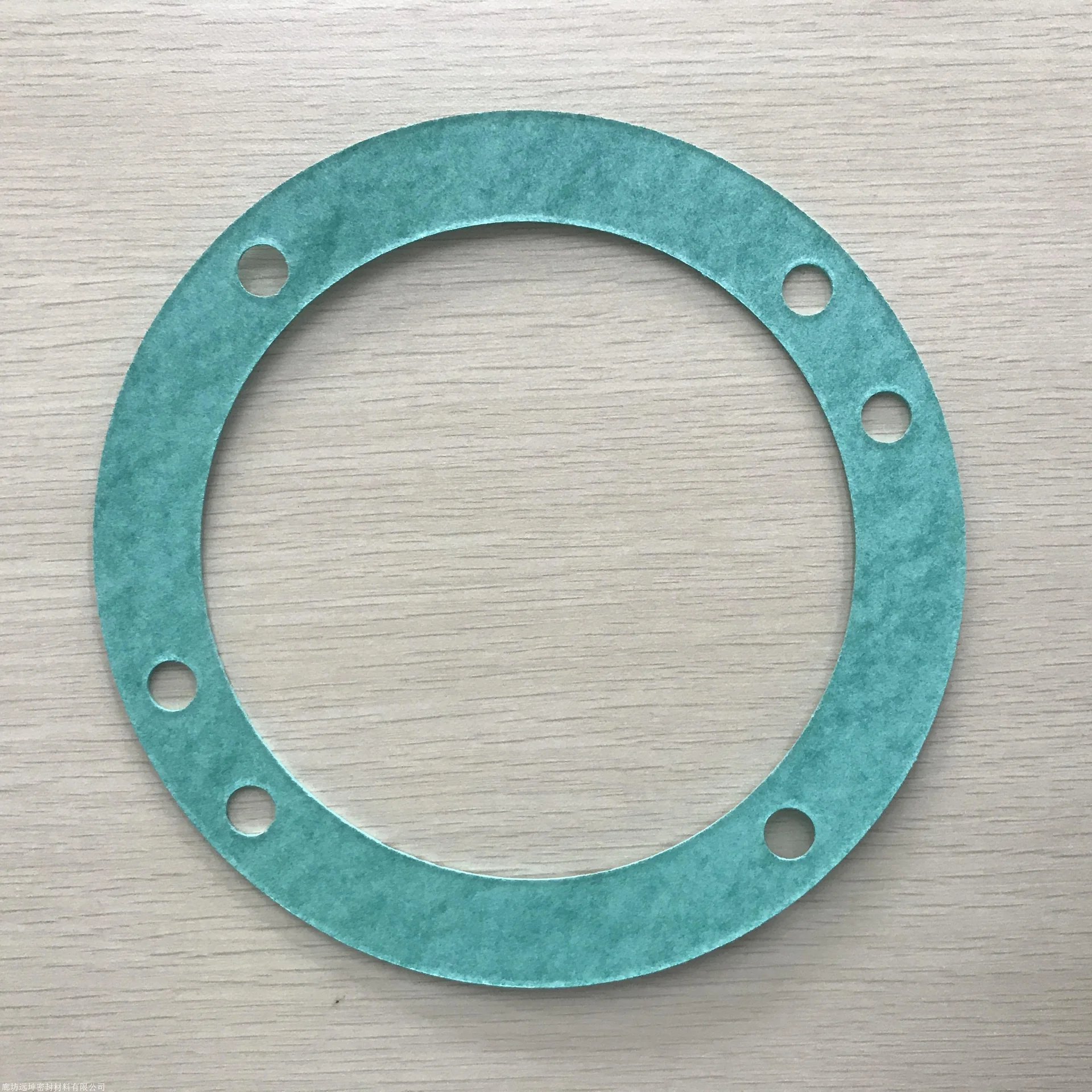
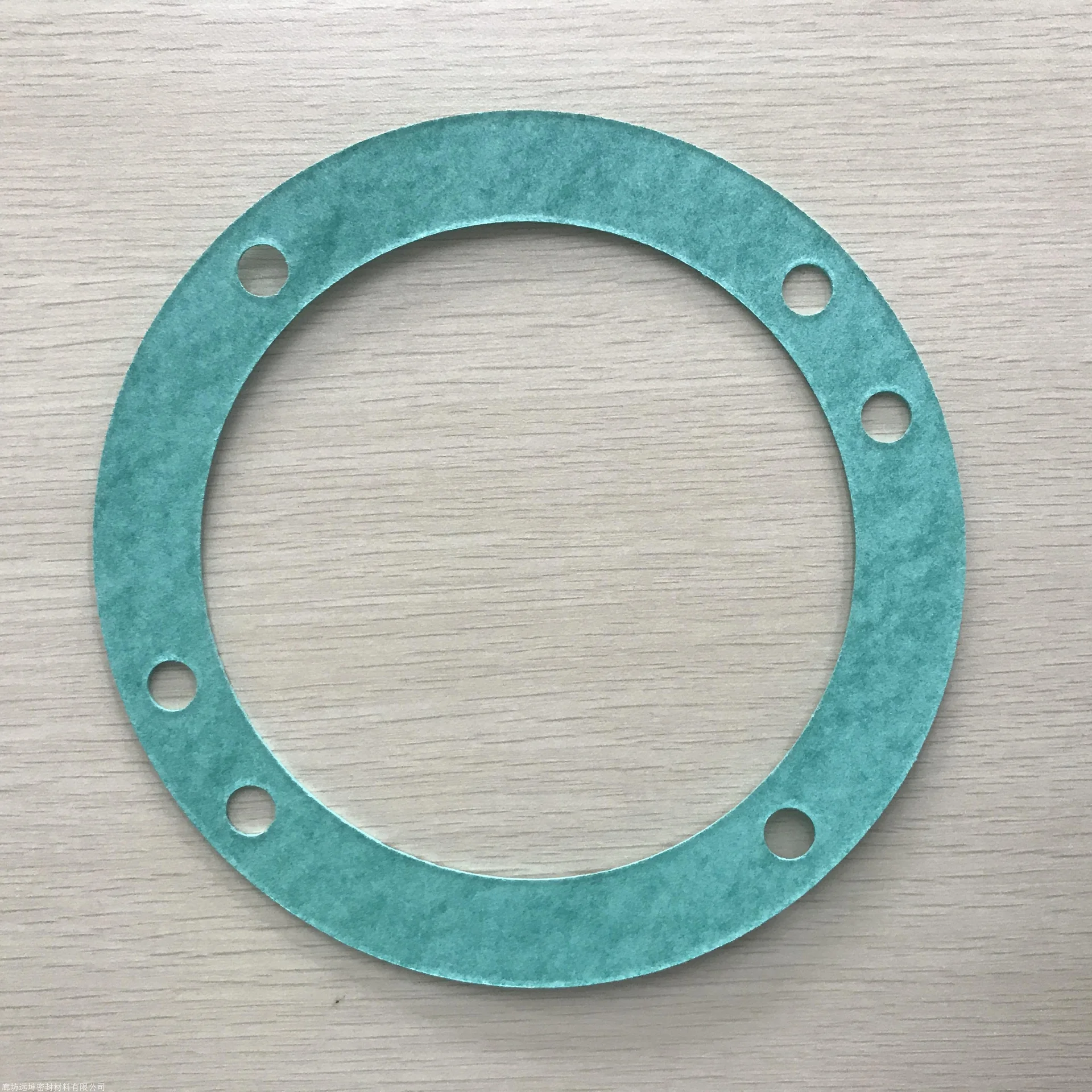
Asbestos Gasket
Asbestos gaskets combine asbestos fibers with rubber and other materials for industrial high-temperature and high-pressure sealing.
Materials and Construction
The source lists chrysotile or crocidolite fibers mixed with rubber binder, with PTFE added to some grades for corrosion resistance.
Mixing, hot rolling and vulcanization produce a resilient, compression-resistant gasket.
Performance
Temperature ranges in the source: -100°C to +700°C for conventional grades, or -100°C to +260°C for PTFE composite grades.
Pressure classes: Low ≤1.5 MPa; medium ≤3.0 MPa; high ≤3.5 MPa.
Media include water, steam, oils and moderately acidic or alkaline fluids. Strong acids, strong alkalis and hot oil accelerate aging.
Applications
Chemical reactors, petroleum piping, power-station boilers and pharmaceutical equipment.
Tank openings, manholes, handholes and flanges.
Types and Standards
Conventional, oil-resistant, high-pressure and composite grades, including PTFE envelopes.
Standards cited: JB/T 87-94 and HG/T 20606-2009.
Health and Alternatives
The source identifies asbestos fibers as internationally recognized carcinogens and describes bans in countries including the United States.
Non-asbestos gaskets using aramid or inorganic fibers are presented as increasingly common alternatives.