Product Information
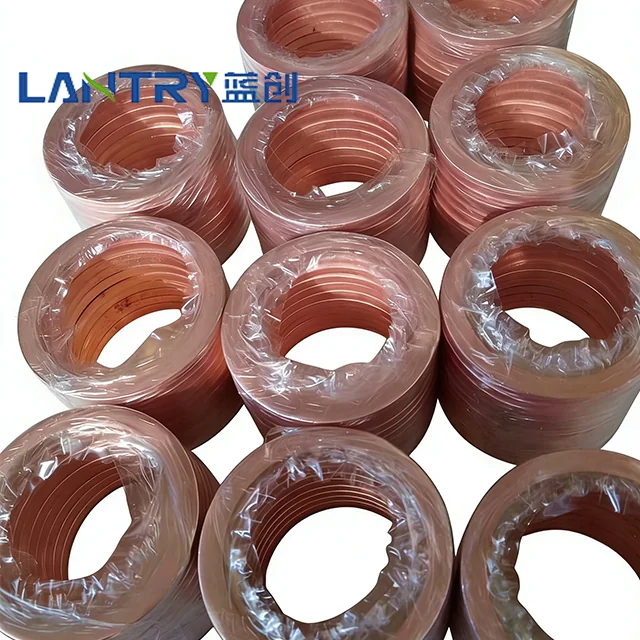
Copper Gasket
Copper gaskets are described in the source as copper-based metal jacketed seals that conform to mating surfaces through compression, for high-temperature and high-pressure service.
Materials and Performance
Copper is non-magnetic and offers good electrical and thermal conductivity and corrosion resistance. Pure copper or copper-alloy sheet can be used, with carbon steel or stainless steel jackets for structural reinforcement.
Depending on manufacture, the source gives maximum temperatures of 400°C–800°C and pressure ranges of 2.0–42 MPa. Annealing softens the material before use.
Sealing and Applications
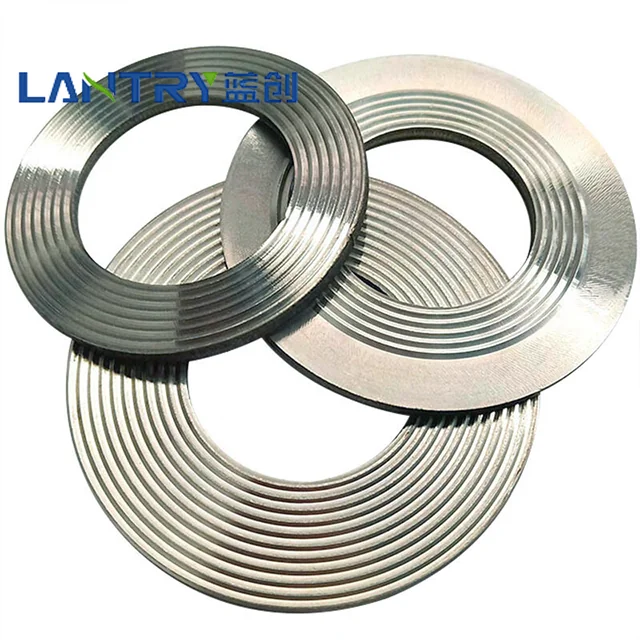
Mechanical compression creates plastic deformation, filling microscopic surface irregularities. The source highlights mating surfaces with concentric grooves.
High-temperature and high-pressure equipment: Pressure-vessel covers, heat-exchanger flanges and valve connections.
Chemical and energy systems: Pipe flanges. The source excludes gas-pipeline sealing.
Sizes and Standards
Custom diameters: 5–1,000 mm. Thickness: 0.3–10.0 mm.
Standards cited include GB/T 9128-2003 and JB/T 89-1994.
Manufacture
High-purity copper sheet, such as TU1 oxygen-free copper, is stamped or cut into rings, ovals or other shapes. Production includes material selection, forming, heat treatment and surface treatment.
Annealing after stamping relieves internal stress and improves softness and recovery.
Precautions
Anneal before installation to soften the gasket.
The source excludes gas pipelines but includes high-pressure compressed air, hydraulic piping and high-temperature, high-pressure diesel-engine connections.
Typical equipment includes heat exchangers and reactors.