Product Information
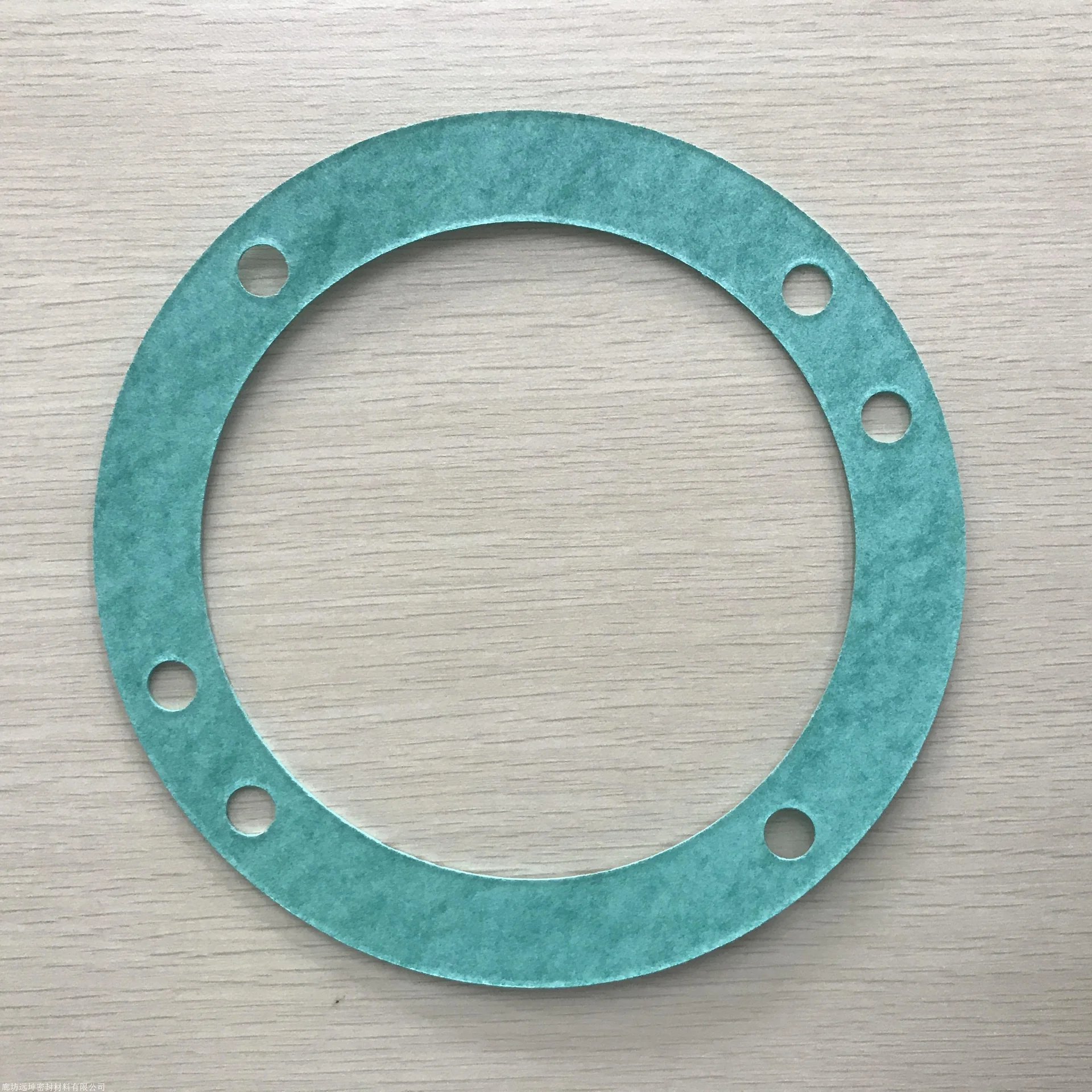
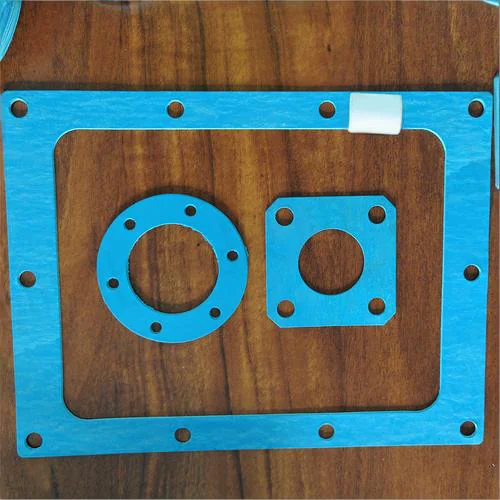
Non-Asbestos Gasket
Non-asbestos gaskets combine reinforcing fibers, such as aramid or inorganic fibers, with an elastomer such as nitrile rubber and functional fillers as alternatives to traditional asbestos gaskets.
Material Composition
Reinforcing fibers: Aramid at 8%–15%, inorganic fibers such as ceramic or glass fiber, or plant fibers.
Elastomer: Nitrile rubber at 25%–40%; some grades use natural rubber or fluorocarbon rubber.
Functional fillers: Mica, graphite, PTFE and other mineral fillers at 45%–60%.
Manufacture
High-temperature calendering or wet-sheet formation is used.
Fibers and binder are mixed into slurry, then formed by slurry casting or sheet-making.
The source specifies hot-press curing at 80°C–90°C and density of 0.8–1.2 g/cm³.
Performance Figures in the Source
Temperature: -50°C to 550°C, with some aluminosilicate-fiber-reinforced products listed up to 1,260°C.
Compression strength ≥4 MPa; compression recovery ≥40%.
The source describes RoHS compliance and either no asbestos or trace asbestos ≤1%.
Applications
Petrochemical flange and valve seals, with a reported 73% reduction in leakage incidents.
Automotive cylinder-head sealing, with a listed leakage rate ≤5 cc/min.
Power and marine high-temperature, high-pressure equipment.
Standards Statements in the Source
The document states that international standards such as ASTM F104 define asbestos-free material at ≤1% asbestos.
It also states that domestic standards such as GB/T 20671 allow limited asbestos, and that some products marketed as non-asbestos contain 5%–20%.
These are source-document statements rather than independently verified compliance declarations.
Selection
Consider temperature, pressure, medium and flange conditions and choose a reliable supplier.
The source advises against sheet thickness above 3 mm.