Product Information
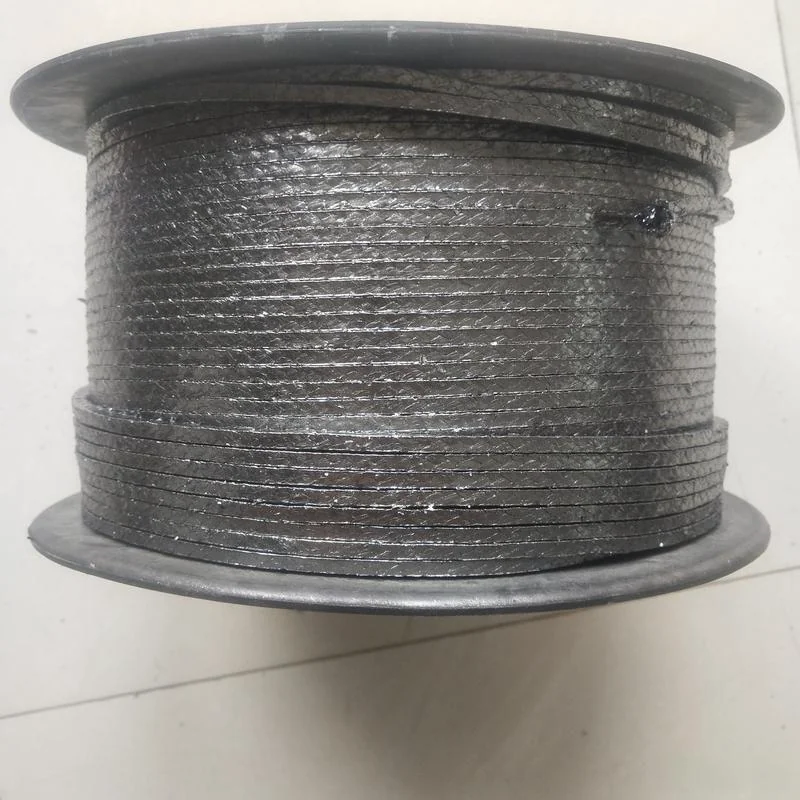
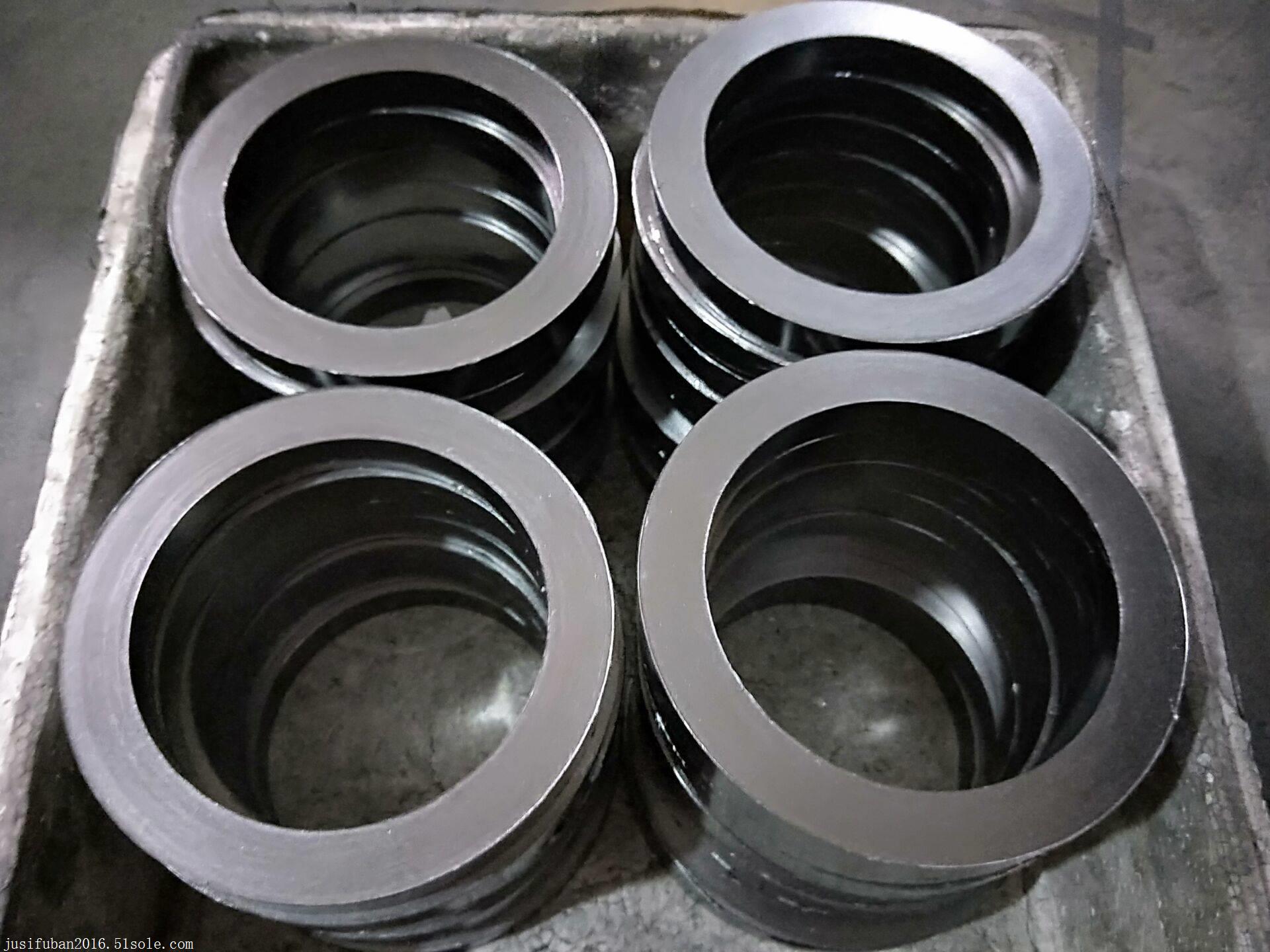
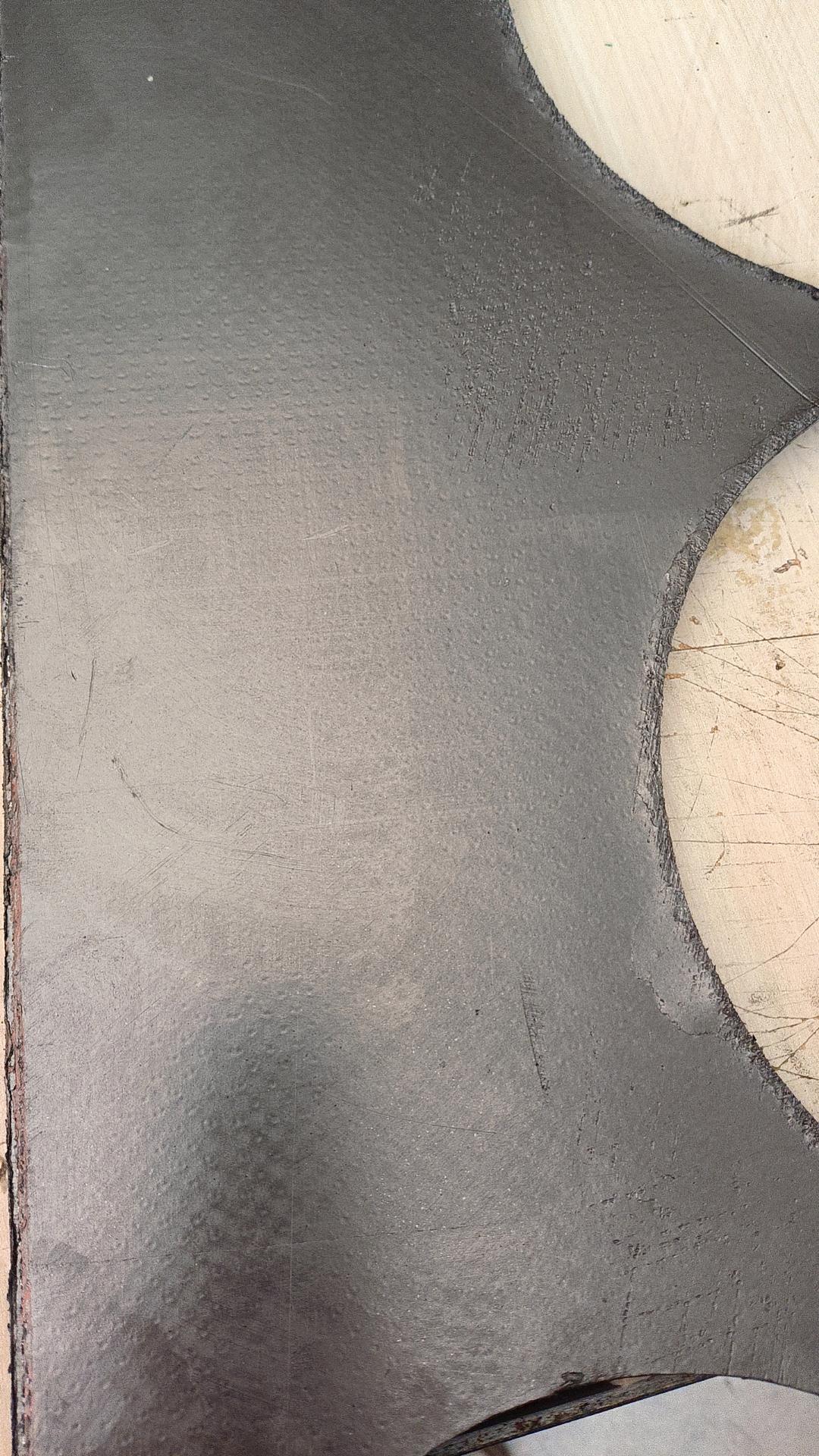
Graphite Gasket
Graphite gaskets offer heat resistance, corrosion resistance and self-lubrication for industrial sealing.
Key Features
Temperature range listed: -200°C to 650°C, with some grades reaching 800°C and retaining sealing performance at high temperature.
Resistance to acids, alkalis and organic solvents, except strongly oxidizing acids.
Good compressibility and recovery, lower preload than metal gaskets and relatively low demands on flange surfaces.
Low friction and aging resistance reduce brittleness and deformation during prolonged use.
Types
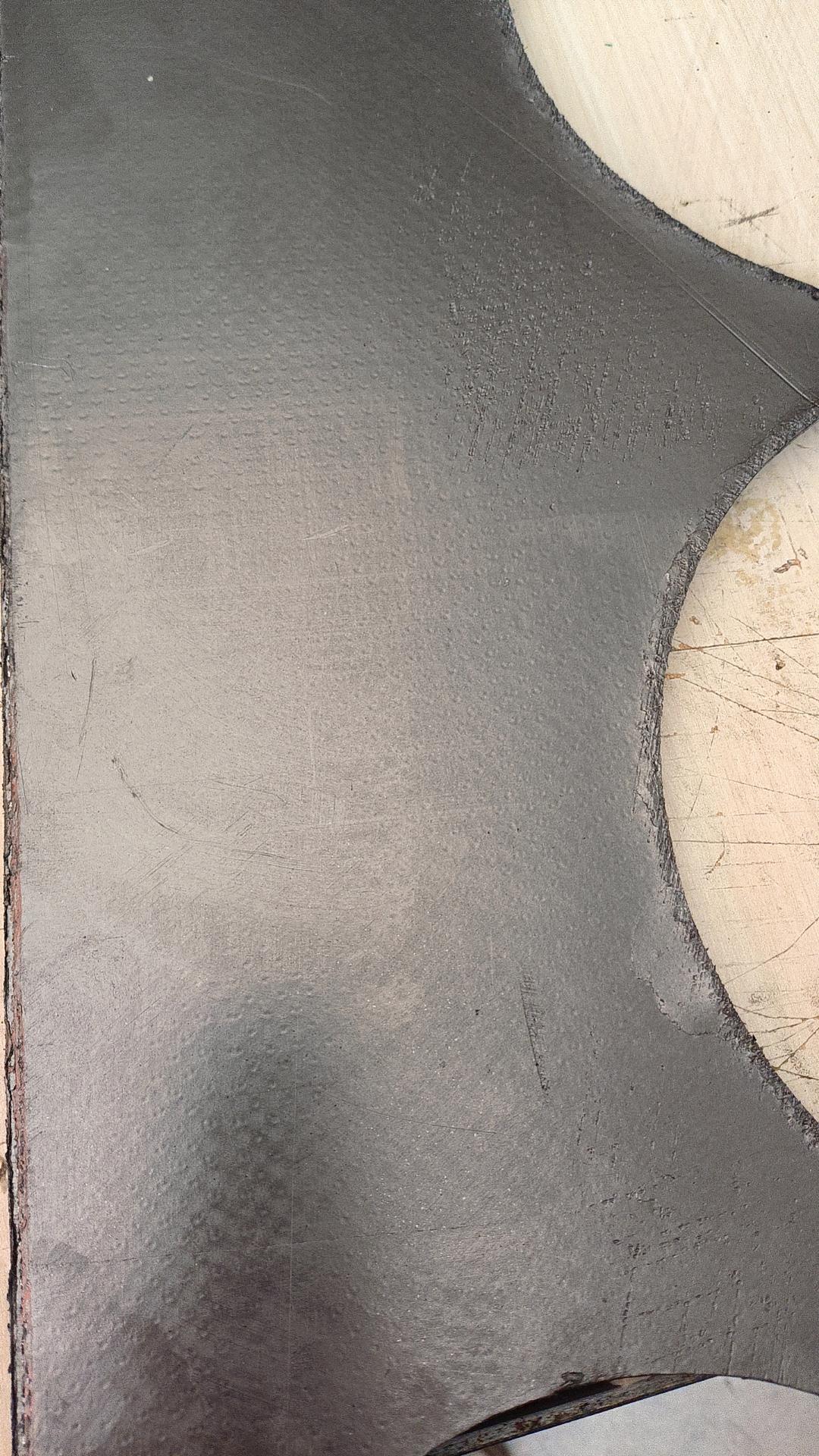
Plain graphite gaskets: Cut from pure graphite sheet for general service.
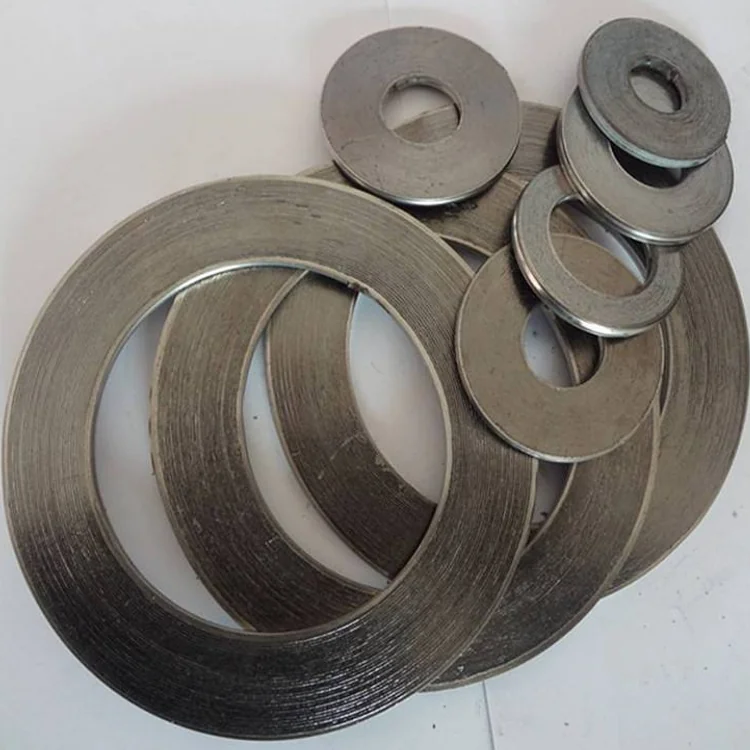
Metal-reinforced gaskets: Including 304/316 stainless steel edging for strength; the source lists pressure up to 30 MPa.
Composite gaskets: Graphite combined with serrated metal, mesh or polymer to improve erosion resistance and service life.
Flexible graphite gaskets: MI, PM-A and PM types, with metal interlayers or edging for complex shapes.
Applications
Chemical processing and petroleum: Pipeline, valve and reactor seals.
Power and nuclear: Hot, high-pressure steam systems and heat exchangers.
Machinery: Compressor and pump stuffing-box seals with oil and solvent resistance.
Electronics: The source separately cites graphene thermal pads, such as GPE-01, for processor cooling and conductivity above conventional thermal grease.
Selection and Installation
Select thickness, typically 0.5–5 mm, and reinforcement for medium, temperature and pressure.
Ensure close contact with the flange and prevent misalignment or tearing. The source highlights protective edging for graphene pads.
Maintenance and Cost
Avoid strongly oxidizing acids and inspect for wear.
Reinforced grades cost more but are described as offering longer life and favorable overall cost compared with metal gaskets.
Provide the application conditions when requesting specifications for a particular grade.