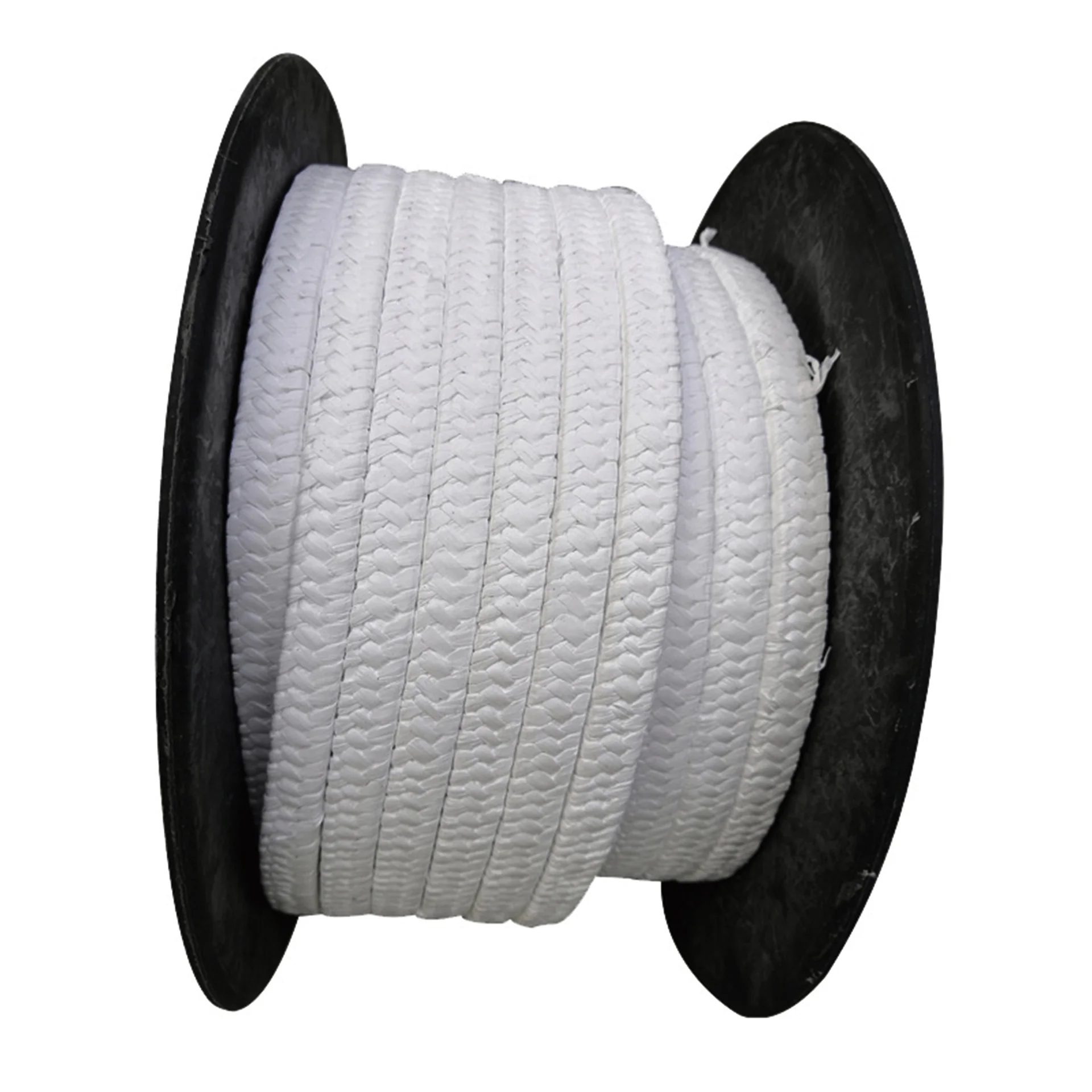
Product Information
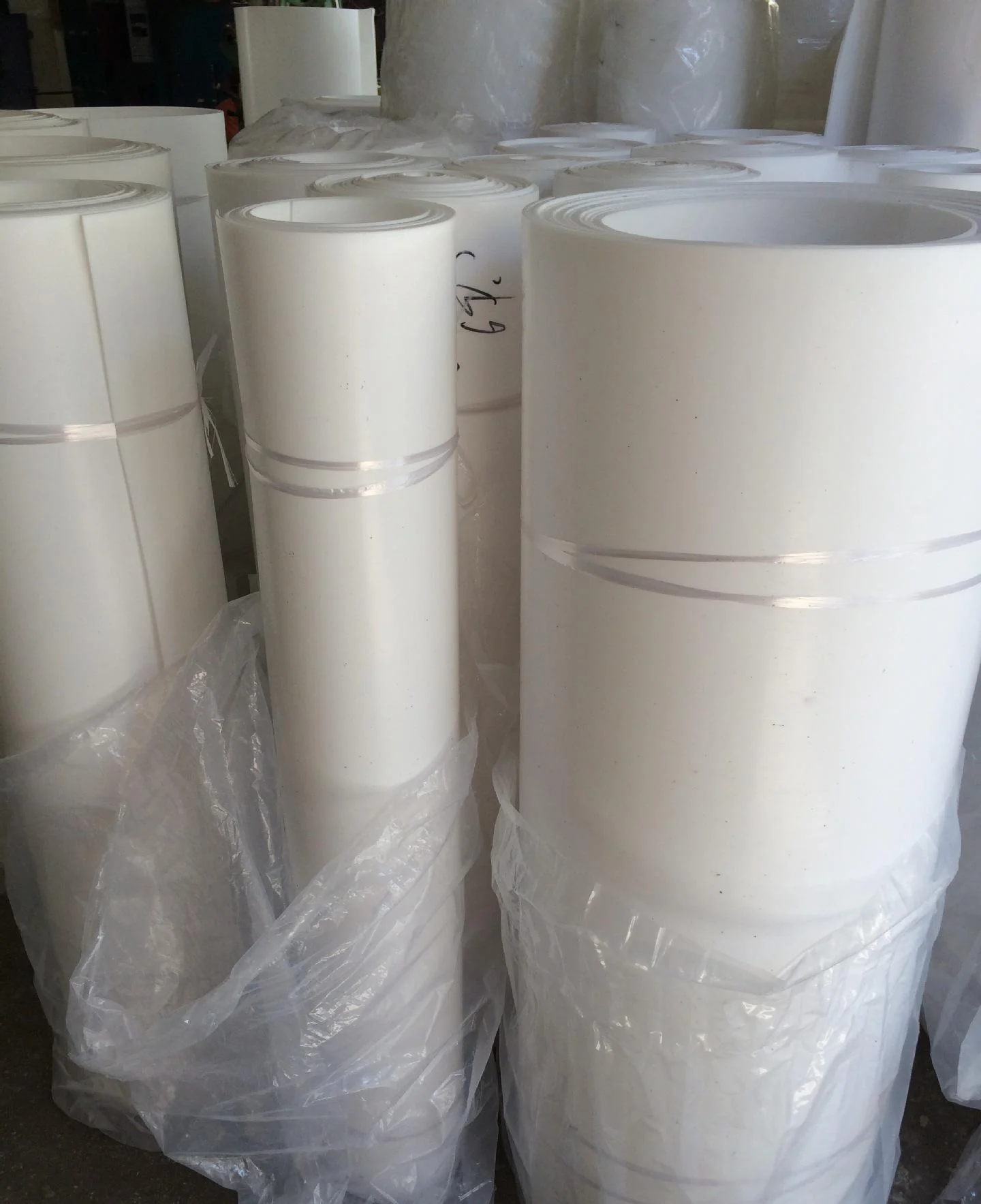
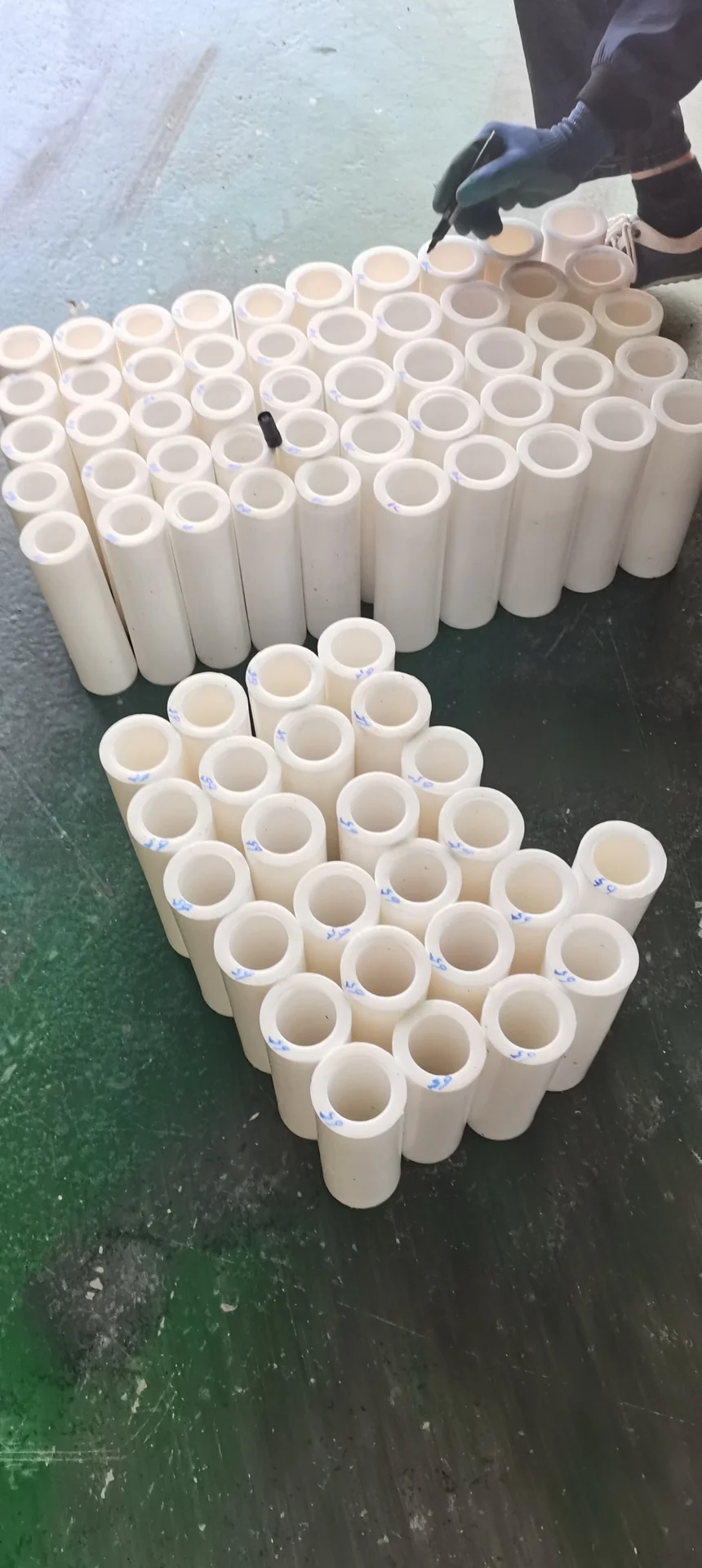
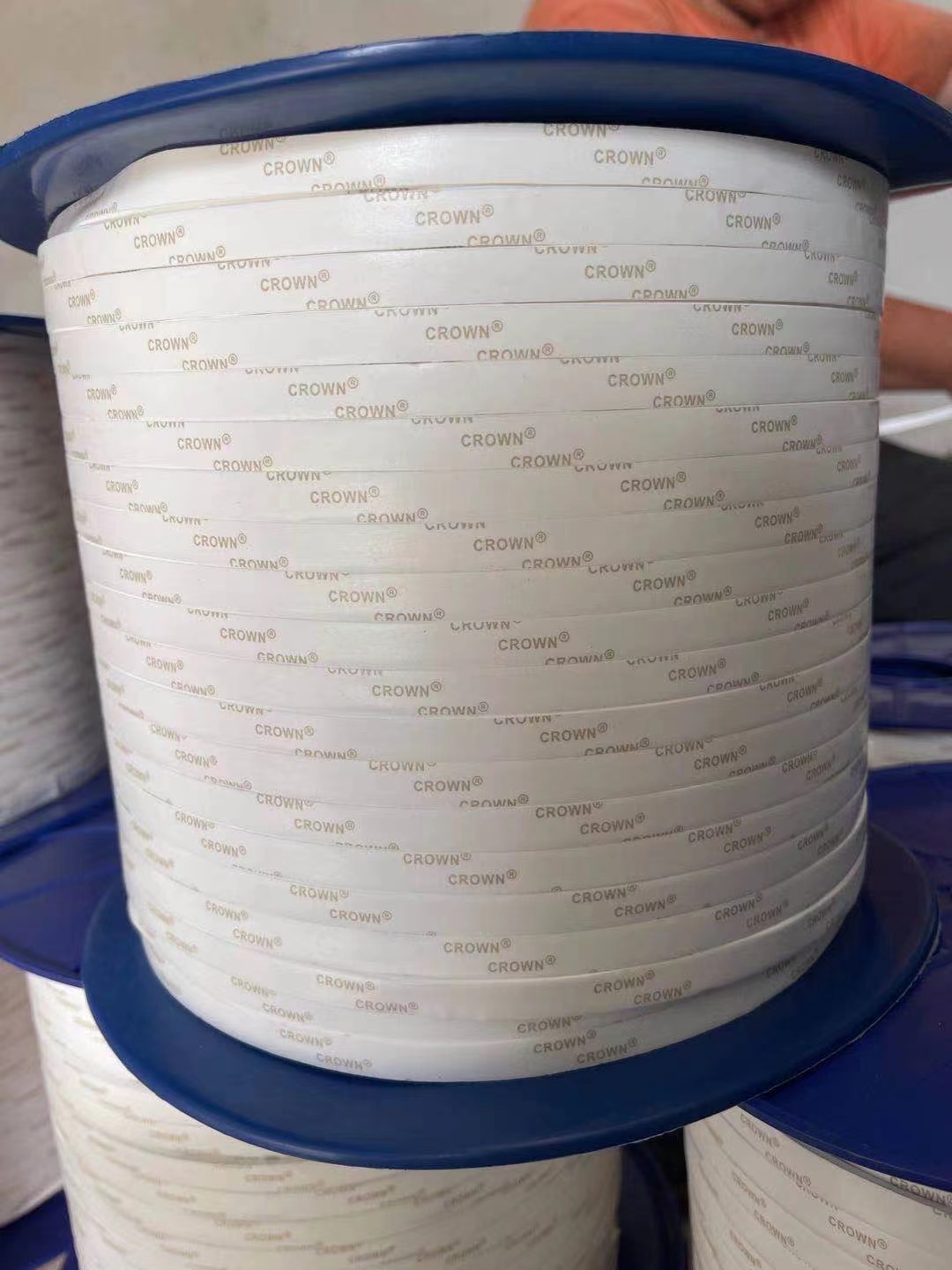
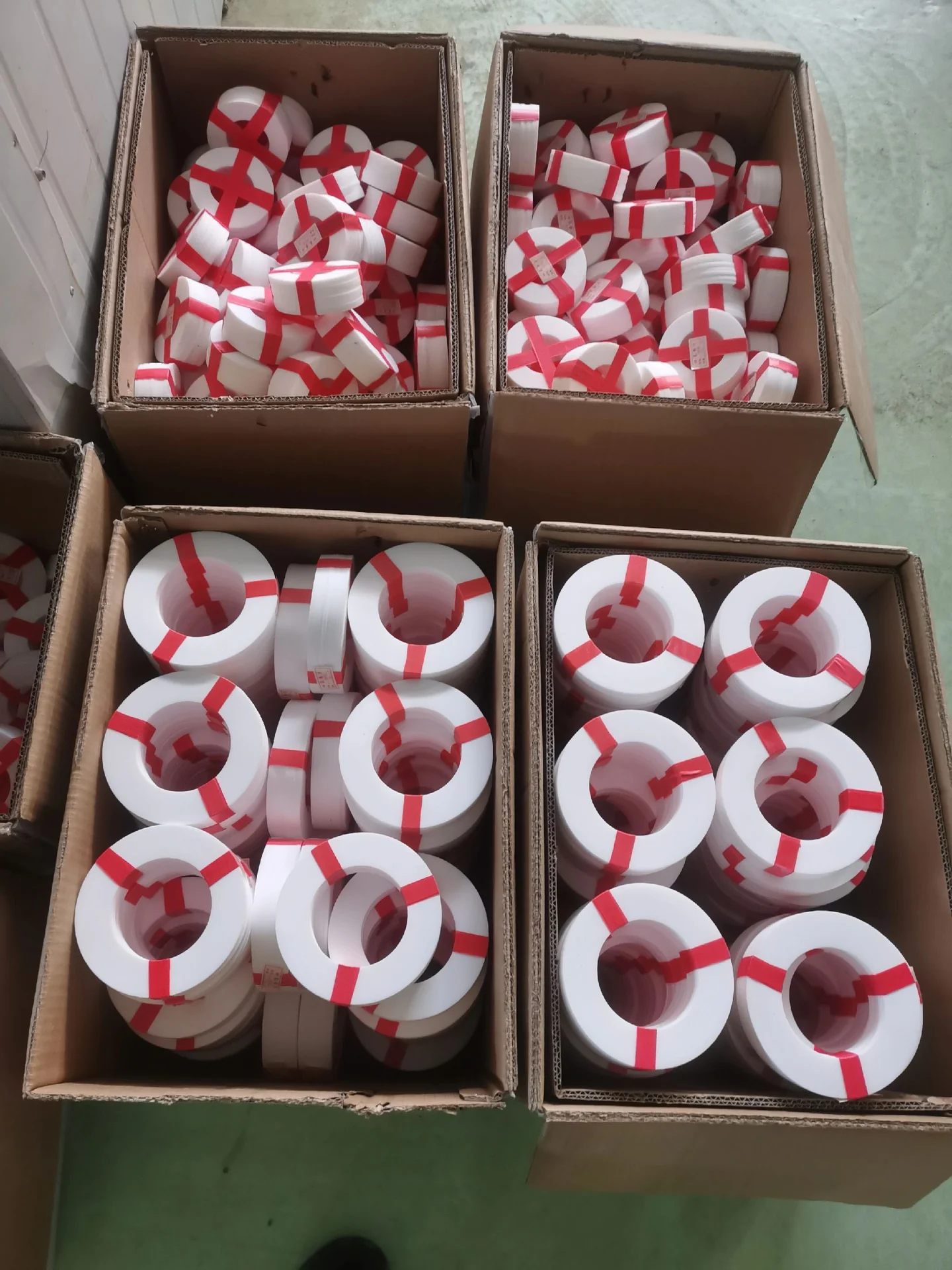
PTFE Gasket
PTFE gaskets are made from polytetrafluoroethylene and used in chemical processing, petroleum, pharmaceutical and food industries for temperature resistance, corrosion resistance and low friction.
Key Features
The source gives typical continuous service of -200°C to 260°C, a cryogenic limit as low as -268.8°C and a caution that the material becomes brittle below -185°C.
Chemical stability: Resistance to most reagents, except molten alkali metals and liquid fluorine, including strong acids, alkalis and oxidizing media.
Low friction and a non-stick surface reduce wear and extend seal life.
Virgin PTFE is described as non-toxic and non-contaminating for hygienic food and pharmaceutical service.
Types
Virgin PTFE: Directly machined from PTFE for clean service.
Modified or filled PTFE: Glass fiber, graphite and other fillers improve wear resistance, creep resistance and strength for high-pressure or abrasive service.
Expanded PTFE: Increased flexibility and sealing performance for rough or fragile flange surfaces.
PTFE envelope gasket: A PTFE outer layer over an asbestos or non-asbestos sheet core, combining corrosion resistance with compressibility and recovery.
Applications
Flange seals on piping, valves and pumps, particularly with corrosive media.
Cryogenic liquid gases and hot steam.
Food-processing and pharmaceutical equipment requiring contamination control.
Precautions
Install flat and avoid excessive localized loading.
Protect the surface from sharp objects and scratches.
The source lists usual pressure resistance of 0–20 MPa for ordinary PTFE gaskets; select the grade for the actual application.